The Industrial Training Fund, ITF, says more than 200,000 Nigerian artisans have been upskilled under its Skill Up Artisan, SUPA, programme as part of efforts to build a competent workforce capable of driving the country’s industrial transformation.
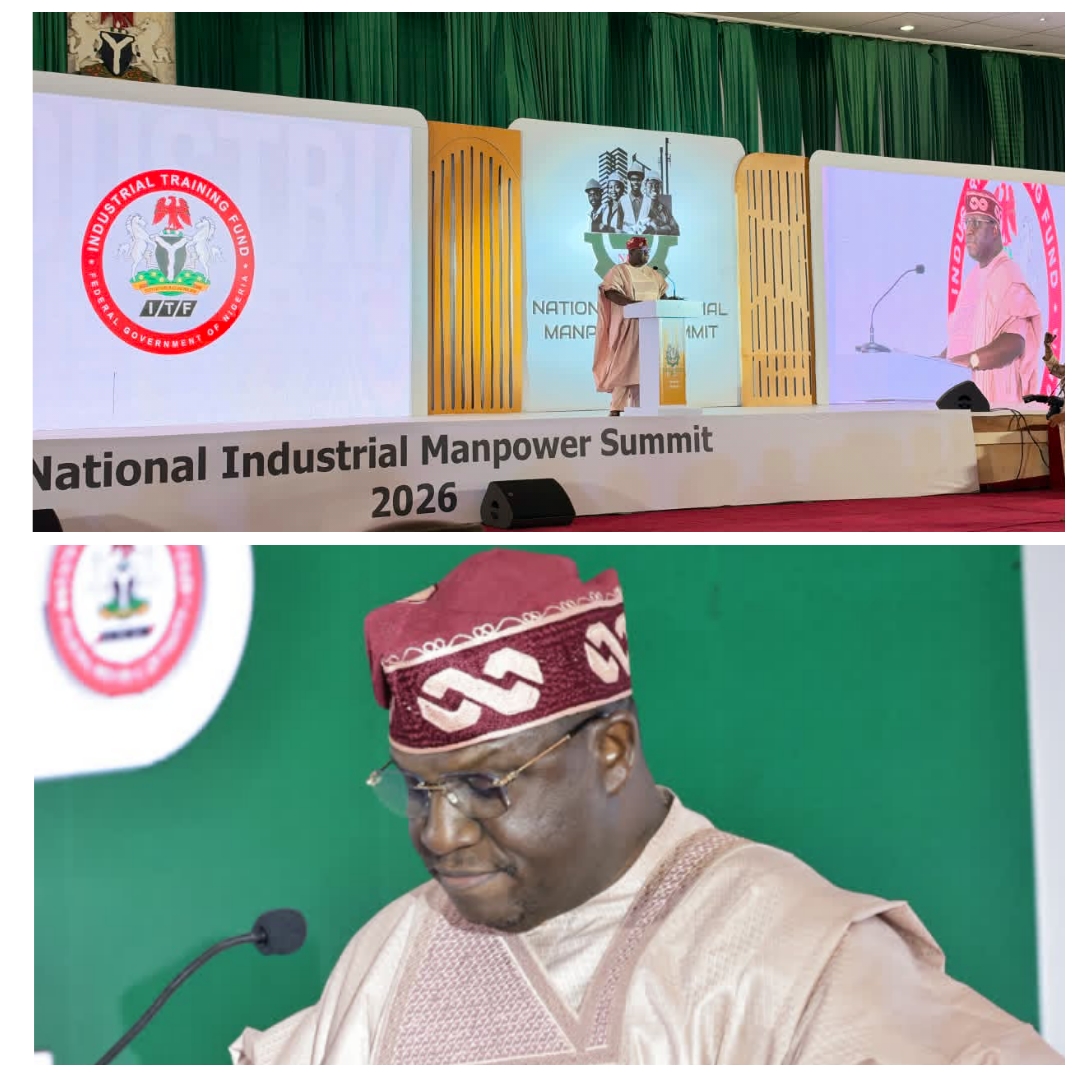
Director-General and Chief Executive of the ITF, Dr Afiz Oluwatoyin Ogun, disclosed this in Abuja at the National Industrial Manpower Summit, NIMS 2026.
The summit, holding from October 15 to 16, has as its theme, “Unlocking Nigeria’s Human Capital for Industrial Transformation – Building Skills, Driving Innovation and Creating Prosperity.”
Dr Ogun said Nigeria’s industrial ambitions must be matched by deliberate investment in the skills and capabilities of its people, stressing that sustainable industrial transformation cannot be achieved without a skilled, productive and adaptable workforce.
According to him, the ITF is implementing reforms aimed at addressing skills gaps, standardising training and certification, improving training infrastructure and strengthening the link between industry and skills development.
He explained that under the SUPA programme, more than 150,000 artisans had received training in areas including safety, project management, work ethics, patriotism and competencies in various trades.
Dr Ogun added that 9,000 artisans had been exposed to international certification examinations by organisations including City & Guilds of London and the National Open College Network.
He identified industry placement, business incubation and talent export as the three exit pathways under the SUPA programme.
The ITF Director-General also announced that the Fund’s database now captures more than 3,000 privately owned training centres across the country, categorised into A, B and C training centres.
On infrastructure, Dr Ogun said the Fund had upgraded some of its facilities and was developing specialised centres to address identified skills gaps.
He listed the Digital Metal Fabrication Training Centre at Ogba, Lagos State, and the ITF Model Skills Academy Training Facility in Jos, Plateau State, among the facilities, while work is ongoing on what he described as Africa’s largest and most modern Mechatronics and Automation Training Centre in Ikare, Ondo State.
The ITF, according to him, has also proposed digital hubs for ceramics in Nasarawa, glass in Cross River, leather in Kano, wood in Ondo and underwater welding in Delta State.
Dr Ogun further announced Nigeria’s admission as the 83rd member of WorldSkills International and the operationalisation of the WorldSkills Academy in Abuja, saying the development would expose Nigerian youths to global standards in technical and vocational skills.
He said the ITF was also reforming Sector Skills Councils to strengthen collaboration among industries, government and training providers and ensure that skills development responds to the present and future needs of the economy.
Dr Ogun called for stronger implementation of the resolutions of the 2025 summit, clearer institutional responsibilities and a credible mechanism for tracking results.
He reaffirmed the commitment of the Industrial Training Fund to collaborating with government, employers, training institutions and other stakeholders to build a more relevant, inclusive and industry-responsive skills system.
The ITF Director-General maintained that investment in skills would boost productivity, strengthen industries, create employment and enhance Nigeria’s competitiveness and national prosperity.