Experts assessing the impact of the Nigeria Community Action for Resilience and Economic Stimulus (NG-CARES) on Agricultural practice in Ondo state have submitted that the government intervention has in no small measure assisted the vulnerable in the state especially in the area of food production.
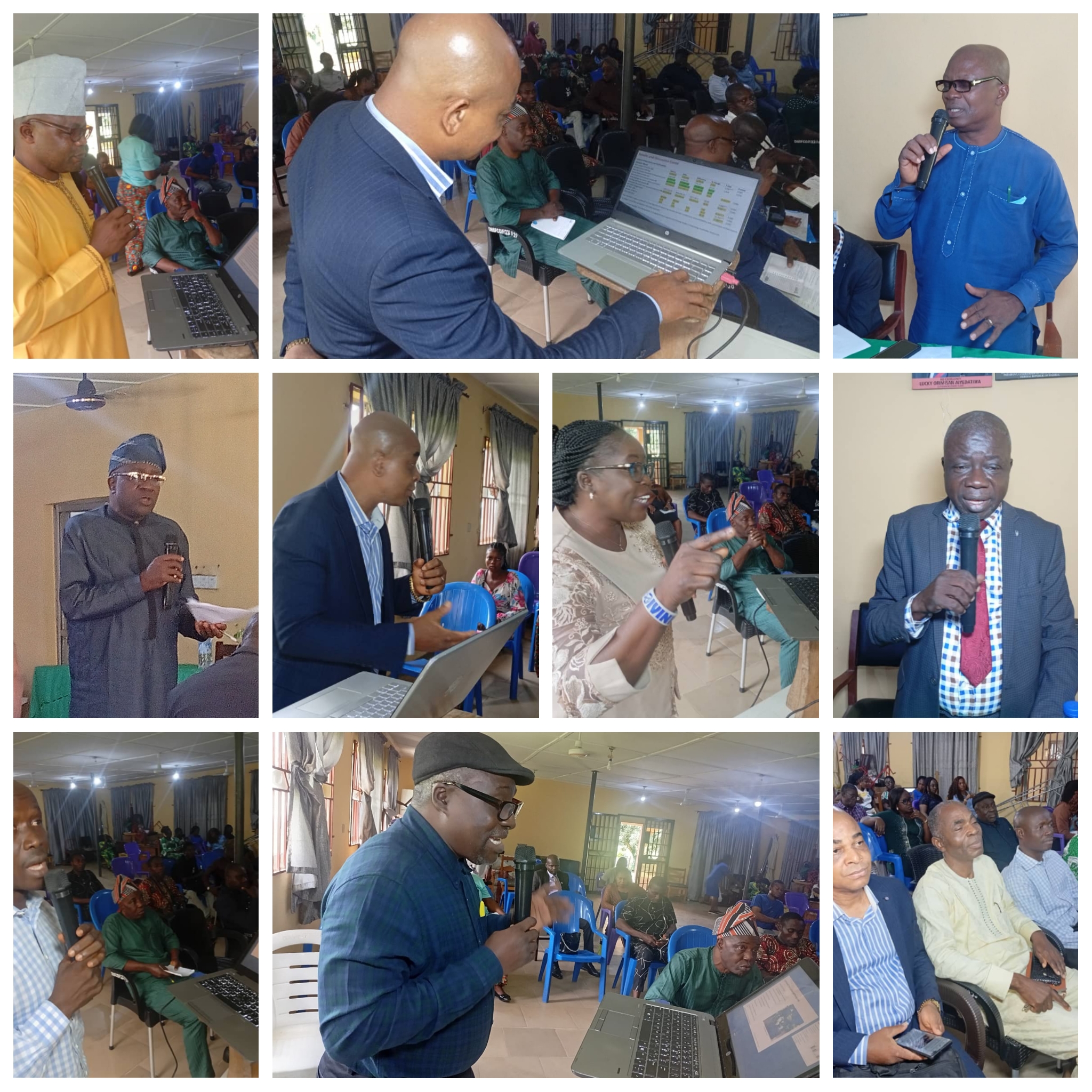
The experts who are consultants across various agricultural endeavours made their submissions during presentations at a meeting tagged Impact studies of the result area 2 of the NG cares, held at the Fadama Hall, Ministry of Agriculture, Alagbaka Akure.
The NG Cares, a world-bank funded project is part of initiatives to reduce the impact of Covid-19 and other issues affecting the vulnerable in the society and micro businesses.

The researches cut across different fields including tomatoes and cassava production as well as livestock farming with a collective position that the programme was a life saving one for the beneficiaries in all the pilot areas, covering the 18LGs in Ondo state.
Welcoming stakeholders to the meeting, Ondo State project coordinator of NG CARES, Mr Olusiji Olatunji explained that the programme, a pilot scheme was being worked upon to highlight areas of improvements for its second phase schedule for January 2026, and the eventual implementation of the experts’ recommendations with a view to strengthening the programme
In his presentation, Professor Mathew Akinnagbe whose research was based on the impact of project on tomato production described the seedlings, fertiliser, pesticide and technical support gives to farmers in the pilot areas as very adequate thus resulting in immense gain for the target beneficiaries. He however recommended early arrival of input and timely release of funds for Fadama projects while also advocating the establishment of a feedback system where farmers could report challenges and get response on time.

Evaluating the impact of the intervention on poultry project, Prof Olumide Akinrinola attested to the fact that provision of livestock products to the beneficiaries did not only increase their production but excited them and led to increased production as well as income for the farmers. Dr Akinrinola therefore recommended the inclusion of participants, right from the planning stage while they should also be sensitised to form co-operative societies to enjoy initiatives aimed at boosting their trade.
Professor Temidire Olumoyegun who looked at Rabbit production under the project explained that more participants earned more income through rearing of rabbits while breeding capacity also went as high as 91.5percent. In view of the intervention. Prof Olumoyegun stressed the need to strengthen beneficiary support, organise regular training and improve access to veterinary services for the rabbit farmers.
On food processing equipment support, Prof Saka Olaleye who was represented at the presentation by Dr Niyi Iranola said the intervention successfully impacted on the outputs, incomes and livelihood of the participants even as he recommended among other things the inclusion of more women into the programme with a view to increasing their economic capabilities.
Professor Taiwo Mafimisebi while assessing the effect of Rehabilitated rural roads under the OD Cares said there were increase in business turn over, number of new business enterprises increased, while people also moved from urban cities to rural community for farming due to motorable roads. In view of this, Prof Mafimisebi recommended regular maintenance of roads, construction of more bridges, roads and farm outlets while also not leaving out installation of solar street light for improved safety.
On her part, Dr Jumoke Bakare highlighting achievements under the programme in the area of advisory services and capacity building support on livelihood and farmers’ productivity suggested that farmers should have access to credit facilities while capacity building lectures should be documented for reference purposes.
Dr Niran Thompson who dwelt on the impact of NG Cares on Cassava production posited that the programme delivered critical inputs and trainings to beneficiaries, resulting in measurable improvements while they also gained valuable agronomic knowledge and business skills. He therefore suggested timely delivery of input, expansion of financial support and inclusion of more women and youths in cassava production.
In a remark, the programme manager, Ondo state Agricultural Development Project, Mr Babajide Ogunleye who commended the consultants for a thorough jobs posited that areas that needed corrections in the reports had been identified and would be worked upon to further strengthen the NG Cares programme which is part of the interventionist projects being implemented by Ondo state government to enhance food security and make life more bearable for residents.