A Manager with Zenith Bank Plc, Dr. Morounke Ilori, has stressed the importance of financial literacy as a vital tool for effective money management and long-term financial stability.
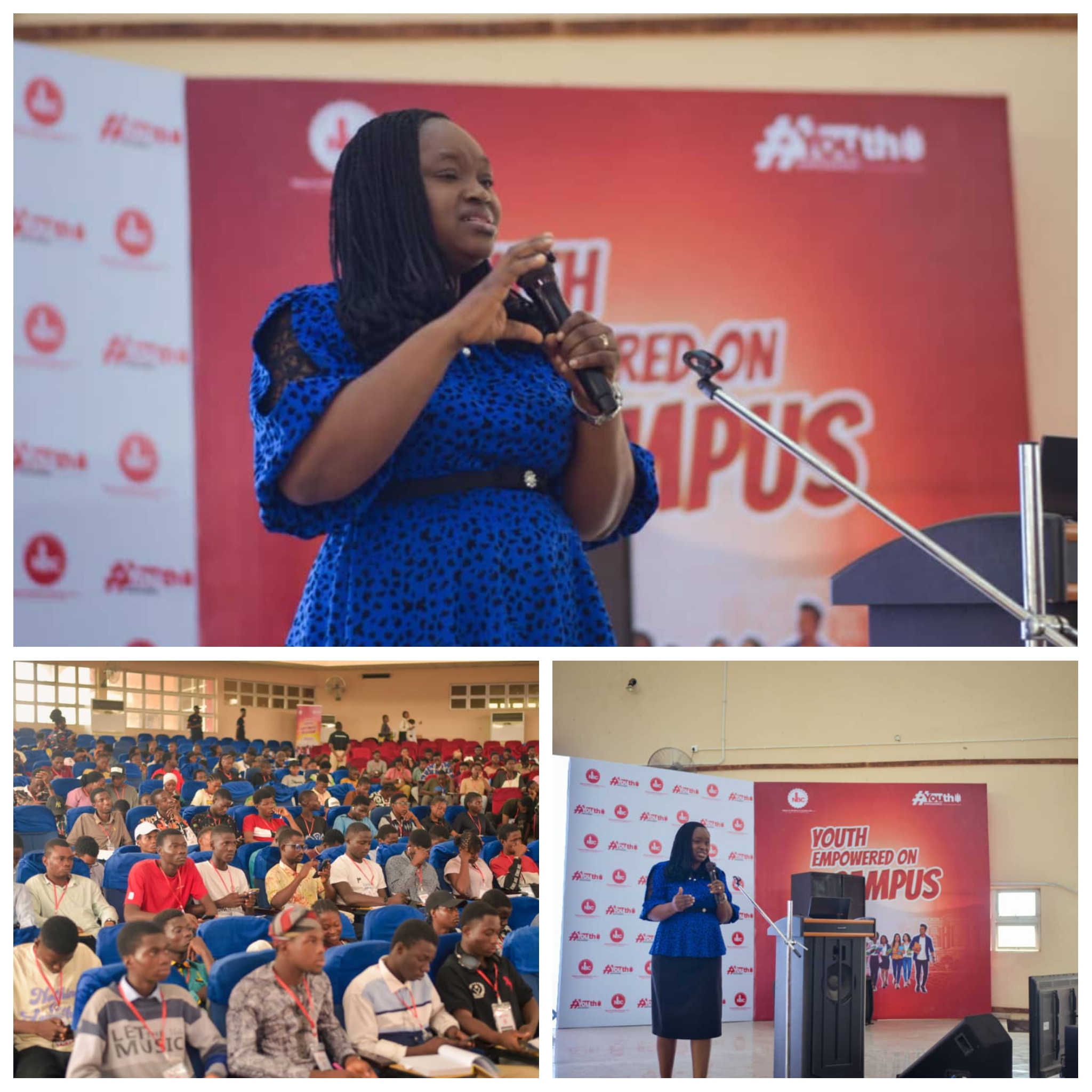
Dr. Ilori made the call recently, during a lecture on financial literacy organized by Nigerian Bottling Company (NBC) at Federal University of Technology Akure (FUTA), where she highlighted the need for individuals to understand how to read and interpret financial numbers, manage budgets, and maintain healthy cash flow in order to make informed financial decisions.

According to her, financial literacy equips individuals with the knowledge required to plan their finances, control spending and prepare for unforeseen financial challenges.
She explained that a budget serves as a financial plan that outlines expected income and expenses within a specific period, helping individuals allocate resources effectively.

Dr. Ilori noted that budgeting enables people to track their income and expenses while ensuring that a portion of earnings is set aside for savings and future goals.
“Budgeting helps you understand where your money is going. When you have a fixed income and unavoidable expenses like rent and utilities, a budget helps you plan how to manage the remaining income effectively,” she said.
She further described cash flow as the movement of money into and out of an individual’s account, stressing that maintaining positive cash flow—where income exceeds expenditure—is critical for financial sustainability and growth.

The Manager added that cash inflow typically comes from sources such as salaries, business revenue, investments or loans, while cash outflow includes expenses like rent, utilities, loan repayments and other operational costs.
Dr. Ilori advised individuals to adopt practical strategies for managing cash flow, including diversifying income streams through side businesses or investments and reducing unnecessary spending.
She also encouraged people to prepare for critical financial moments such as unexpected medical expenses by building emergency savings and maintaining a proactive approach to financial planning.
Highlighting the importance of structured financial planning, Dr. Ilori said individuals should set clear financial goals, assess their current financial situation and create practical plans that are reviewed regularly.
She explained that financial planning often involves setting both short-term and long-term goals, noting that short-term plans may include building an emergency fund or clearing debts, while long-term plans could focus on major investments such as home ownership or retirement savings.
Dr. Ilori also introduced creative budgeting methods such as zero-based budgeting, the envelope system and the 50-30-20 rule, which allocates 50 percent of income to needs, 30 percent to wants and 20 percent to savings or debt repayment.
She concluded that mastering budgeting and cash flow management remains a cornerstone of sound financial management and a pathway to achieving financial security.