By Wale Obanigba, Esq.
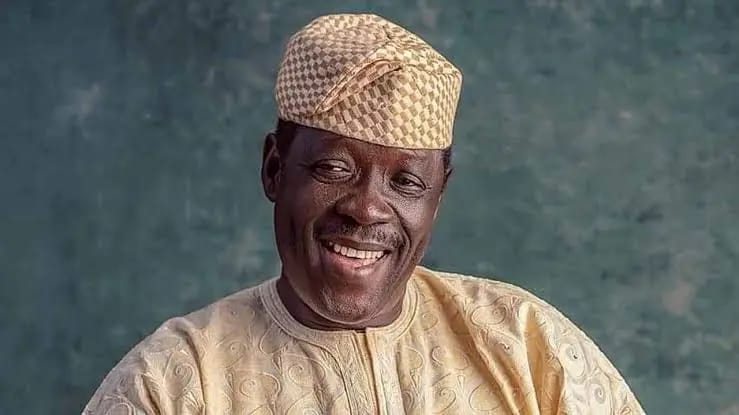
The late Governor Oluwarotimi Akeredolu, SAN, left a distinct mark on Ondo State, the Southwest and Nigeria’s constitutional discourse. Bold, courageous and forthright, he was a passionate advocate of true federalism and a leader unafraid to take positions on difficult national questions.
More than a former governor, Akeredolu was a Senior Advocate of Nigeria and former President of the Nigerian Bar Association. He brought legal knowledge and conviction to debates on governance, security and constitutional reform.
His role in establishing Amotekun alongside other Southwest governors was a defining achievement. The regional security initiative reflected his belief that protecting lives required responses suited to local realities. His advocacy for state policing similarly advanced his argument for a more balanced federation.
It was against this background that his posthumous 70th birthday colloquium, organised by the Development Agenda for Western Nigeria (DAWN) Commission in partnership with the Oluwarotimi Akeredolu Foundation, became significant. Themed “Fundamentals and Governance of State Policing: Towards a New Architecture for National Security in Nigeria,” the event featured Ogun State Governor Dapo Abiodun as keynote speaker.
The theme was central to Akeredolu’s legacy. Nigeria must move beyond whether state policing should be established to confront the practical questions of funding, training, operational capacity, accountability and safeguards against abuse. The colloquium should produce more than pictures, and its recommendations deserve sustained engagement.
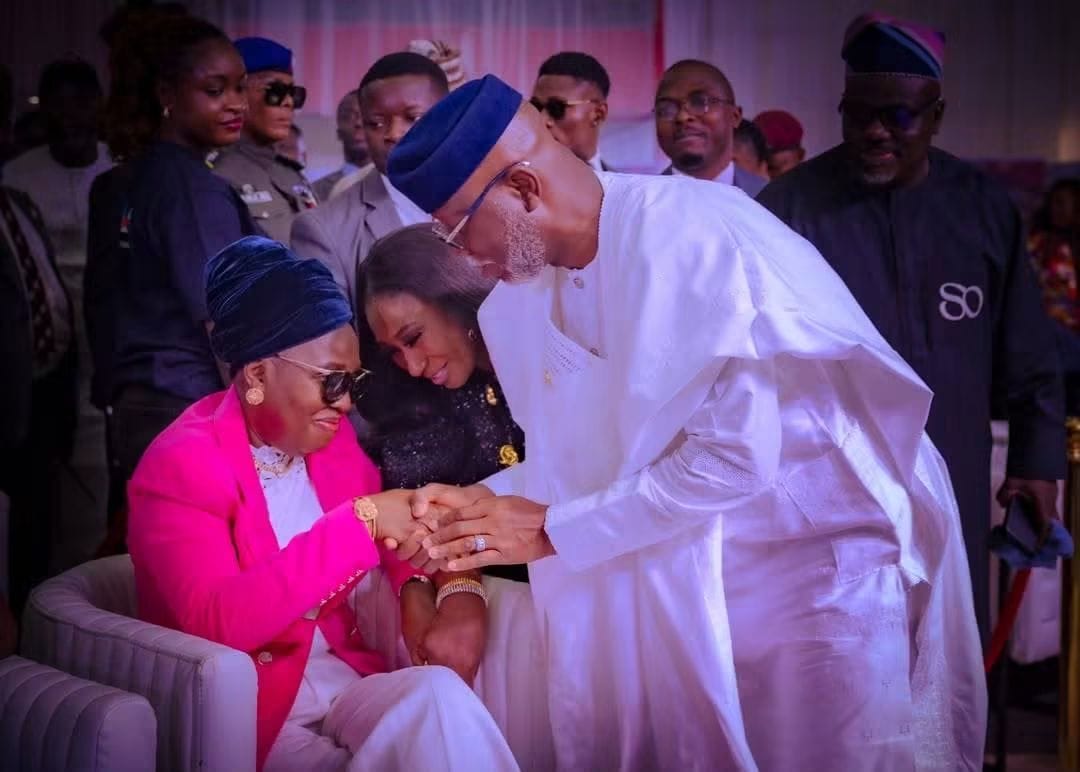
Yet more attention in Ondo State has gravitated towards the photograph of Governor Lucky Aiyedatiwa and Mrs Betty Anyanwu-Akeredolu, the late governor’s widow.
The photograph may symbolise a welcome easing of tensions, but it also invites reflection on the strained relationships that have surrounded the Akeredolu family.
Over the past two years, individuals associated with the Governor’s camp have engaged in a sustained campaign of disparagement against the family. Mrs Anyanwu-Akeredolu was subjected to repeated ridicule on social media, abusive commentaries, and demeaning remarks that questioned her role and dignity as the former first lady. Members of the late governor’s immediate family were portrayed in uncharitable terms, their loyalty questioned, their grief mocked, and their legitimate concerns dismissed as political opposition.
What should have been a period of mourning and honour for a man who served the state was, in many instances, turned into an occasion for insults, name-calling, and deliberate humiliation by vocal loyalists of the administration.
Against that background, renewed cordiality requires consistency and restraint.
Aiyedatiwa’s journey to the governorship unfolded within circumstances shaped by his relationship with the late Akeredolu. That history should encourage humility and respect. Political differences are inevitable, but they should not diminish a predecessor’s contributions. Celebrating a photograph cannot erase that humiliation.
Reconciliation is nevertheless welcome. Disagreements should not become permanent hostilities, and genuine efforts to heal divisions deserve encouragement. But reconciliation must extend beyond a photograph to sustained goodwill and mutual respect. Its true value will be measured by what follows.
The concern, therefore, is not that the photograph has attracted attention, but that symbolism should not eclipse the purpose of the gathering. Akeredolu’s 70th birthday offered an opportunity to examine his ideas and advance better security governance.
How can the Southwest strengthen the cooperation that produced Amotekun? What safeguards would ensure that state police remain professional and accountable? How can Akeredolu’s vision of true federalism translate into meaningful reform?
The DAWN Commission and the Akeredolu Foundation should sustain the conversation by publishing the colloquium’s recommendations and promoting engagement with relevant institutions.
Akeredolu’s legacy is bigger than political relationships or photographs taken in his honour. We can welcome reconciliation between Aiyedatiwa and Betty Anyanwu-Akeredolu while insisting that the ideas the late governor championed must not be forgotten.
The photograph may capture a moment, but the ideas must outlive the occasion. The greatest tribute to Akeredolu is to sustain his vision and translate the conversations held in his honour into meaningful action.
Wale Obanigba writes from Akure.