The call for an increase in the representation of women in governance and other leadership positions has remained a mirage in Nigeria, with several factors militating against the achievement of this demand for many decades, especially since the advent of the Fourth Republic.
Although a total of 93,469,008 citizens, comprising 49,054,162 males and 44,414,846 females are eligible to vote in this year’s general elections, records from the Independent National Electoral Commission (INEC) show that only about 10% of the candidates are women. Only one (1) out of eighteen (18) presidential candidates is a woman, and not a single women is being fielded as a vice presidential candidate. Similarly, women constitute only 6 percent of the 416 candidates contesting for governorship across the 36 states, only 8.4% of the 1101 candidates gunning for senatorial seats are women, and of the 3122 candidates contesting for seats at the House of Representatives, only 288 are women. At the level of the sub-national legislatures, only 1,046 out of the 10,225 candidates are women.
This current situation is far worse than what we had in previous elections and this decline gives us grave concern at Baobab for Women's Human Rights (BAOBAB). This is because the poor representation of women in elected offices, which is both a cause and effect of persistent inequality and discrimination against women exacerbates the silent pandemic of gender-based violence, the continuous relegation of women to the background, the lack of support for the implementation of laws that favour women and girls, the feminisation of poverty, among others.
Much as Nigerian women can not turn back the hands of the clock, we must make a statement with the elections by being strategic and deliberate in choosing candidates with a track record of making room for the intelligent, strong and dynamic women at the table. We enjoin women and of course our male allies to vote for those who have the interest of women and girls at heart, those who understand the issues and struggles of women and those who have shown concern in addressing these issues over the years.
As we all know, politics is a game of numbers and records have shown that more women vote during elections. While you cast your vote remember that we need to bring in competent, capable, and compassionate leaders, whether male or female, who will prioritise women's development for the benefit of the nation. Gender-aware candidates will change the negative narrative on gender equality and February 25 and March 11 present us with another opportunity to make this happen.
We must remember the various campaign promises made by all the candidates and be able to identify those candidates who have included the needs of women in their manifestos and also proven well how these needs can be met. We must also recall the antecedents of those of them to whom we had given our mandate in the past and assess how women and girls fared under their watch.
As you go to cast your votes for your preferred candidates, look out for those with plans of appointive positions for women; candidates who have transformative plans for the education of the girl-child; those who will prioritise good quality and affordable healthcare for women and girls; candidates that will fight against all forms of gender-based violence; candidates that can take Nigerian women out of poverty so as to to enable them live meaningfully in the society.
BAOBAB calls on the electorates not to be carried away by the temporary gifts of food, cash and other incentives, which has been the strategy of vote buying and selling. Voting for candidates who believe in women's inclusion, who will advance their interests, and who will position them in critical areas is in the best interest of our dear but battered country. We believe that what a woman can not do can not be done, so please elect Nigerians who will bring in women to help heal our land.
We also call on the government to ensure that security agencies protect voters and make sure that peace reigns at all polling units so that Nigerians, especially women can cast their votes with no threats to their lives.
The time to change Nigeria for the better is NOW. Vote capacity. Vote track record. Vote to advance women's progress. Vote commitment. Vote WISELY!
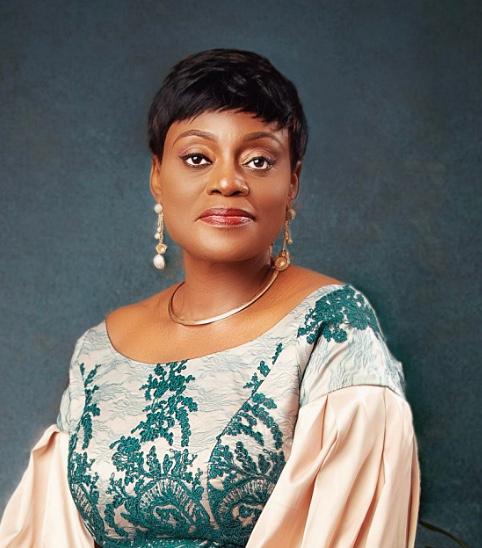
Signed: Bunmi Dipo-Salami
Executive Director